Healthy food starts with healthier soil food starts with healthier soil
You do not need a complicated system to grow healthier food. When the soil is supported properly, the garden has a better chance to thrive. Here, I’ll help you take simple, practical steps using worms, worm castings, and natural methods that fit real life.
Whether you want to start with worms, use worm castings, or learn in a supportive community, there is a simple place to begin.
Choose Your Best Next Step Below
If you want healthier food, healthier soil, and a more natural way to garden, this short video will help you understand where to start.
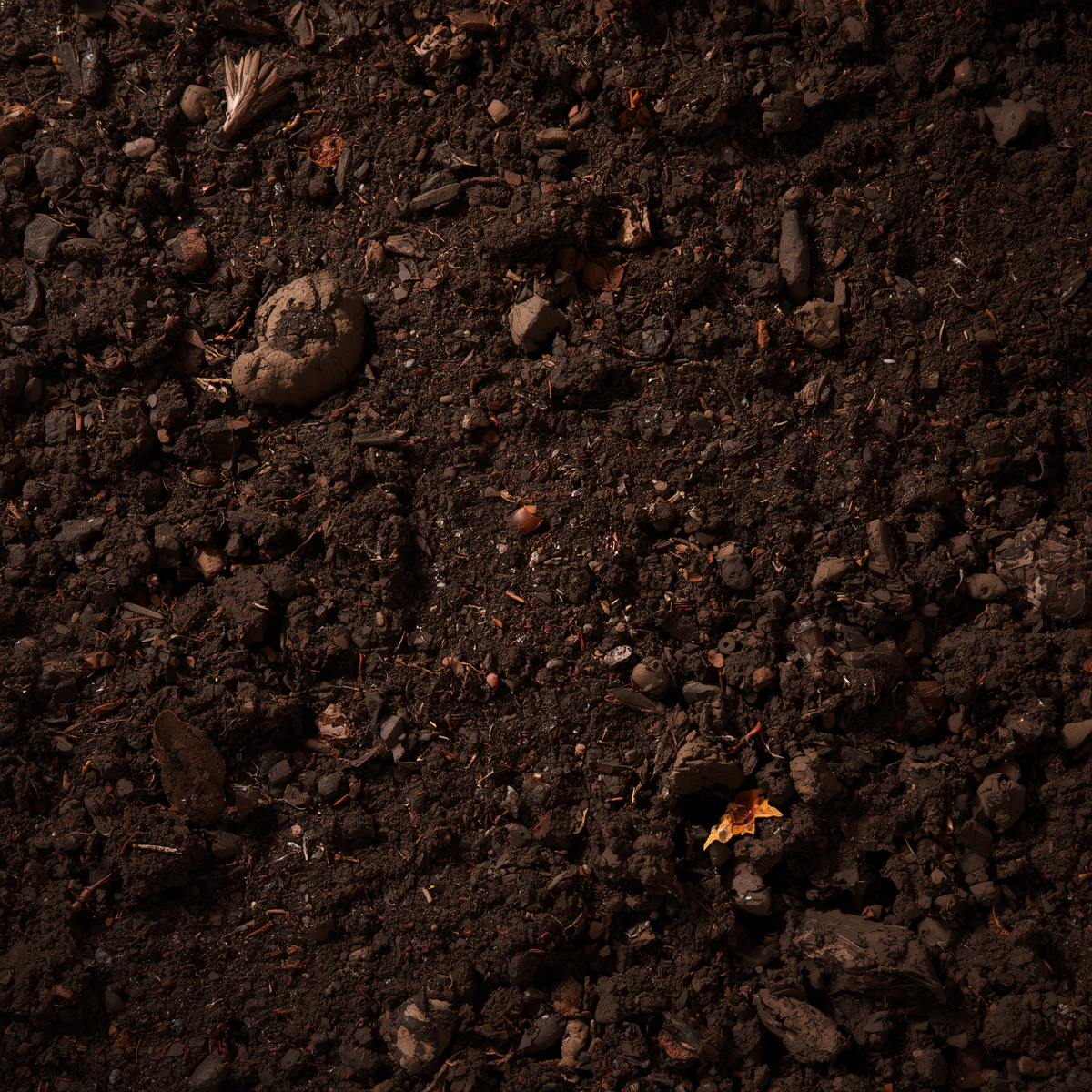
A lot of garden frustration starts below the surface.
You can care deeply about growing healthy food and still feel like the garden is harder than it should be.
The plants are not doing as well as you hoped. Growth feels inconsistent. You keep trying to help, but the results still leave you wondering what is missing.
A lot of times, the issue is deeper than what you can see on the surface.
If the soil is tired, compacted, low in life, or not being supported well, the garden often struggles right along with it.
That is why building healthier soil matters so much.
It gives your plants a better foundation. It helps the garden hold moisture better. It supports stronger roots and steadier growth over time.
This is one reason worms and worm castings can be so helpful. They support the soil underneath the garden, not just the symptoms you see above it.
You do not need a complicated system to begin. You just need a simple place to start.
Work With me
If the soil is struggling, the garden usually feels it.
Think of it like trying to grow a strong plant in a weak foundation.
You can water it. You can feed it. You can keep trying different things on the surface.
But if the soil underneath is tired, compacted, low in life, or not being supported well, the garden often keeps struggling in one way or another.
That is why building healthier soil matters so much.
It gives your plants a better foundation.
It helps the garden hold moisture better.
It supports stronger roots and more consistent growth over time.
This is one reason worms can be so helpful in a garden.
They help break down organic matter and turn it into castings that support soil structure, soil life, and plant health in a practical, natural way.
It is not about chasing a quick fix.
It is about strengthening the system underneath the garden so it has a better chance to thrive.
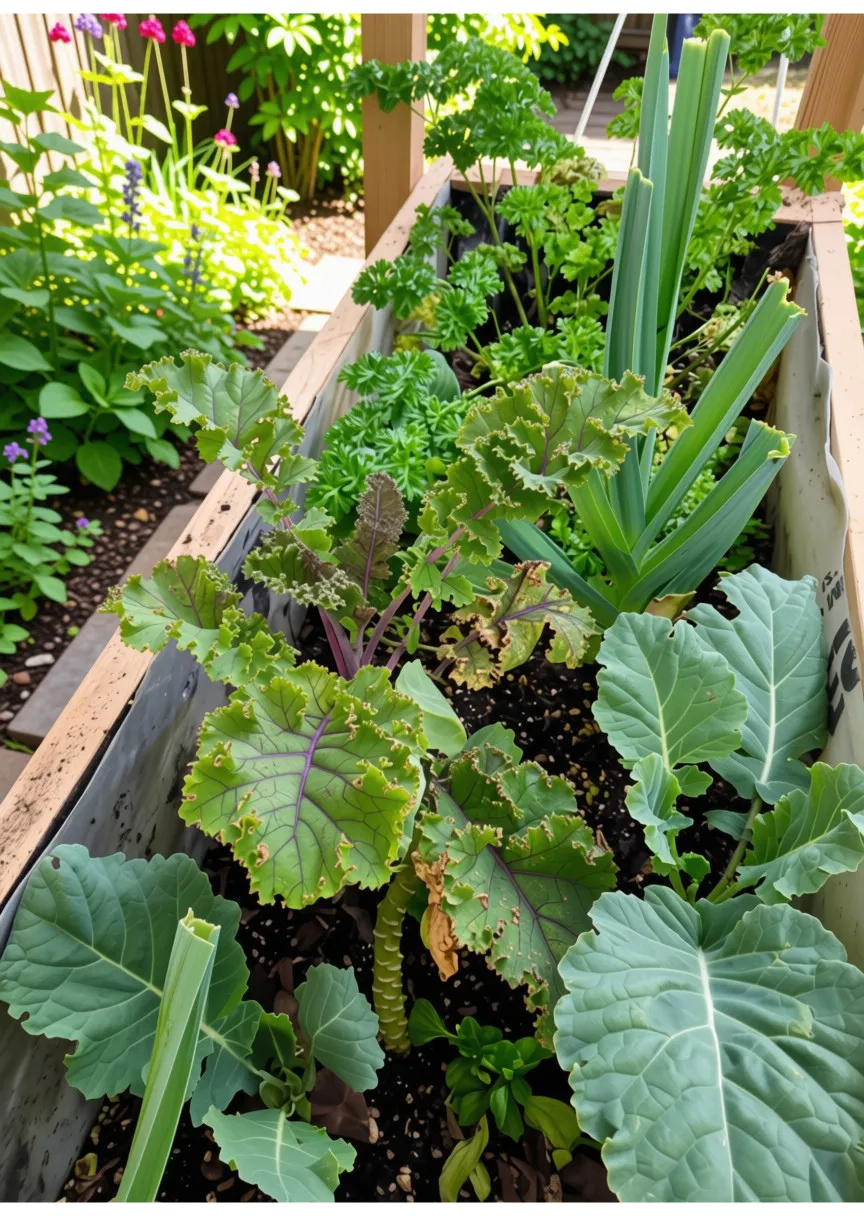
Here are three simple ways to get started.
Not everyone needs to begin the same way.
Some people are ready to start with worms. Some want to improve their garden first with castings. Others want support, encouragement, and a place to keep learning.
Start with the option that fits you best right now.
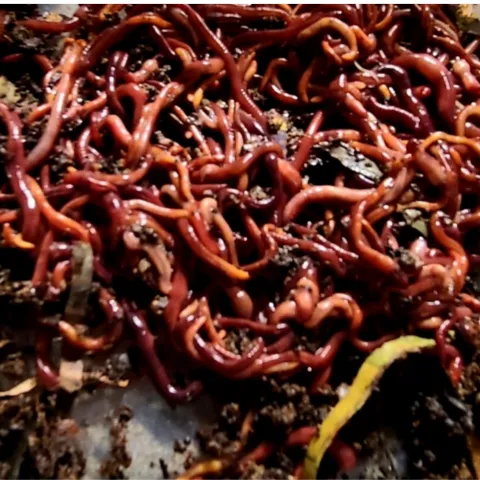
Start with Red Wigglers
If you are ready to begin using worms as part of a simple natural system, this is a good place to start.
Red Wigglers help break down organic matter and produce castings that support healthier soil and plant growth over time.
This is a strong option if you want to begin building the system itself, not just add an input to the garden.

Use Worm Castings in Your Garden
If you want to support your soil and plants without starting a worm system right away, worm castings are a simple place to begin.
They help improve soil structure, support plant health, and give your garden a natural boost in a way that feels easy to use.
This is a good option if you want practical garden support now and may not be ready to raise worms yet.
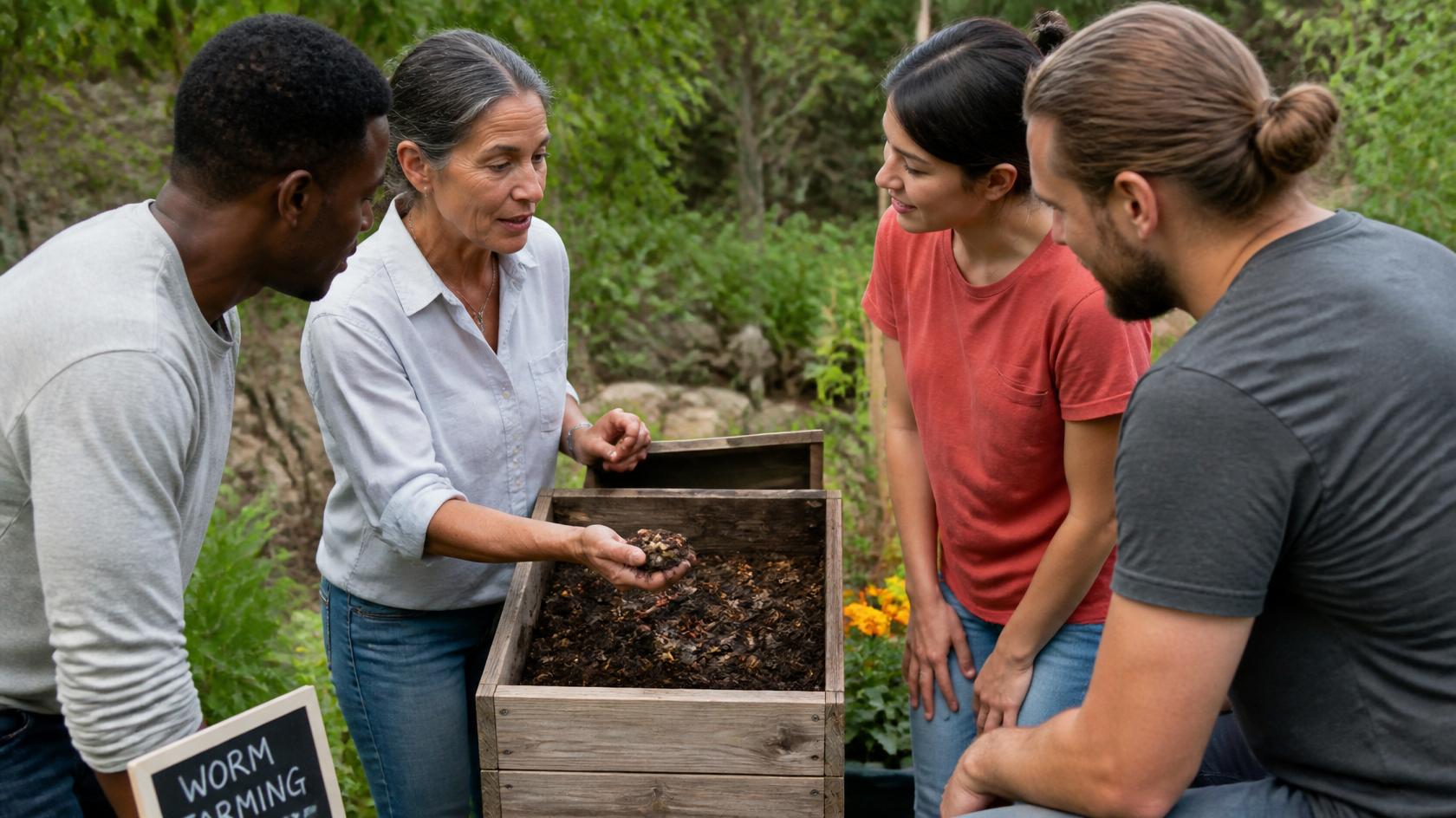
Get Support Inside Beyond Basics
If you want practical guidance, encouragement, and a place to keep learning, Beyond Basics was created for that.
It is a supportive, easygoing community where I share real-life lessons from my garden and worm farming journey, host a monthly live discussion, and give members a place to ask questions and keep making steady progress.
This is a good option if you want support as you learn and apply what works in real life.
Success Stories
I was thankful when you reached out to see how my worms are doing and you make yourself available if I had questions. You really care about your clients.
SUE
With my cancer, it has been really hard to find healthy food that is affordable. I've been growing my own food because of you and my worms are doing really good. Thanks Whyte.
LYSA
Worms found their way into my compost bin. I didn't like worms but thanks to you now I'm ok with them and harvesting loads of casting for my garden.
CC
FAQS
The questions below are grouped into three categories: Healthy Soil, Worm Farming, and Worm Business. Simply start with the group that best matches where you are today.
Do I need a worm bin if I have worms in my garden?
Garden worms play an important role in building healthy soil, but a worm bin offers different advantages.
It allows you to produce a steady supply of worm castings, reduce kitchen waste, and control both the quantity and quality of castings available for your plants.
It's also the easiest way to have fresh castings ready whenever your garden needs them.s designed to help you get started with confidence
What are worm castings and why are they so Valuable?
Worm castings (Worm manure) are one of nature's best soil amendments.
They improve soil structure, support beneficial microbial life, help plants absorb nutrients more efficiently, and encourage healthier root development. Whether you're growing vegetables, flowers, trees, or shrubs, worm castings can help create healthier, more productive soil.
Will worm castings replace natural fertilizer?
Worm castings are best thought of as a soil builder rather than a traditional fertilizer.
They help improve the health of your soil so plants can make better use of the nutrients already available.
Many gardeners use worm castings alongside other organic gardening practices for the best long-term results.
How often should I apply worm castings to the garden?
Worm casting slow releases over two months once added to the garden, so it is recommended to tap it up every two months. However, if you are using a small quantity each time or adding worm tea, then doing so more frequently is highly recommended
How much castings should I add to the garden?
Research was done on the volume of castings to use in the garden using 5%, 10% and 20% All three yield good results but it was found that 20% is quantity. However, it is not always feasible if you are buying worm castings or you are just starting out in worm farming or depending on the amount of worms you have.
If the volume of castings is not enough to cover your garden, using what you have to make worm tea will give you a wider coverage, then you can add the used castings to the garden as well.
Or, you can a little to each hole that you are panting in.
I've never raised worm before, Can I really do this?
Absolutely. Everything here is designed to help you get started with confidence.
Which worm should I choose?
That depends on your goals. Each product page explains who it's best suited for, and the workshop will help you understand the differences.
Do you ship worms?
Pickup is available in Prince Rupert and Terrace, BC.
If you require shipping, please contact us before placing your order so we can discuss the best option for your location and provide an accurate shipping cost.
Is the workshop available outside of Canada?
Yes. The workshop is available no matter where you live.
Should I start with worms or the workshop?
That depends on how you learn best.
If you'd like to understand how to build a healthy worm system, avoid common beginner mistakes, and know what your worms need before you get started, the Worm Farming Workshop is the best place to begin.
If you're ready to start raising worms right away, you can begin with healthy worms and learn as you go. The EcoStarter Living Worm System is our recommended choice because it gives you an established living ecosystem rather than just worms.
Many people choose to start with both, giving them the confidence of expert guidance while raising healthy worms from day one.
Can I really start a worm business with limited space?
Yes. You don't need a large farm or acres of land to get started. A well-planned worm business can begin in a garage, basement, shed, greenhouse, or other relatively small space. What matters is designing your setup around the space you have, the products you plan to sell, and the amount you can realistically produce. Start with a system you can manage well, then expand as demand grows.
What can I sell in my worm business?
Worm businesses can generate income from several products, including composting worms, worm castings, books, breeding stock, and other worm-related products or services. You don't need to sell everything. In fact, choosing a few products that fit your customers, available space, and production capacity can make the business much easier to manage. Look for gaps that are not being filled in your region, for which there is a demand.
How much money do I need to start a worm business?
That depends heavily on the size and type of operation you want to build. Starting small can keep your initial investment relatively low, especially if you already have usable space and some equipment. Before spending heavily, understand what you're going to sell, who you're going to sell it to, and what your production system actually needs. A bigger setup doesn't automatically create a better business.
How do I find customers for my business?
Start by identifying who has a reason to buy what you're producing. Depending on your area, that could include home gardeners, homesteaders, composters, nurseries, community gardens, growers, schools, or other local organizations. From there, you can build awareness through local relationships, markets, social media, referrals, and partnerships. Consistent customers usually come from consistently showing the right people why your product is valuable.
How do I know how much to charge for my products?
Your pricing shouldn't simply be copied from another worm farmer. You need to understand what it costs you to produce, package, market, and deliver your product, then build in enough margin for the business to be worthwhile. Your local market and the value you're providing matter too. Good pricing starts with knowing your own numbers rather than guessing what customers might pay.
Do I need to fully understand worm farming to start a worm business?
No, but you should be able to raise healthy worms and produce a consistent product before depending on those products for sales. You can continue learning as your business grows. The important thing is to build a reliable foundation, protect your breeding population, understand your production capacity, and avoid growing faster than your systems can support. A steady, well-managed start gives you something you can build on.